

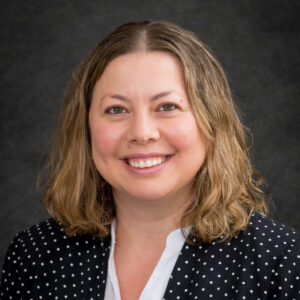
Berkeley Franz came to her work on health disparities through an unlikely door. After earning a master’s in religious studies at the University of Chicago, she went on to complete a PhD in medical sociology at the University of Miami, drawn by a curiosity about why people seek care and whether they trust the systems meant to help them.
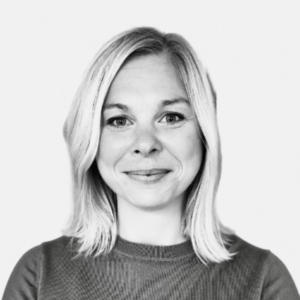
A tennis scholarship first brought Ekaterina Burduli to Washington State University, but it was the people and communities she found there that made her stay.
For Ally Dir, PhD, HSPP, improving substance use disorder treatment means looking beyond whether effective services exist and asking whether people can actually access them.

Fernanda Rossi didn’t set out to become an implementation scientist. She got there by building tools that worked well, then watching, with some frustration, as they sat unused.
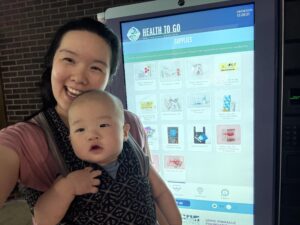
What if getting addiction care supplies were as simple as using a vending machine? For Alice Zhang, MD, MPH, that question is not theoretical. It’s the starting point for her work.
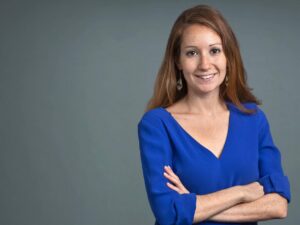
Noa Krawczyk’s path into addiction research began with an early interest in public health and the systems that shape access to care.
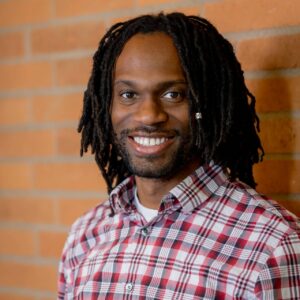
Orrin D. Ware, PhD, MPH, MSW, has spent his career on the front lines of overdose, addiction and mental health care. The through line is clear: Co-occurring disorders are everywhere, but coordinated treatment still isn’t.
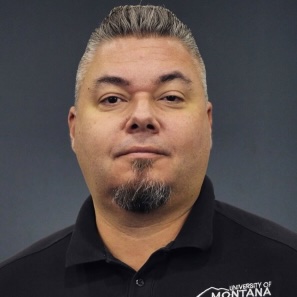
For Damian Chase-Begay, Ph.D., M.S. (Mandan/Arikara), public health was shaped early by family, community, and lived experience. Born in Missoula, Montana, his path traces back to the 1960s, when his grandmother came to the University of Montana on a tribal scholarship, earned a degree in nutrition, and went on to become a nurse serving Native communities. Exposure to Indian Health systems was part of daily life. “There wasn’t a moment where I decided this is what I’d do,” he says. “It was always there.”
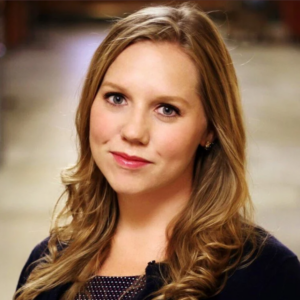
For Erika Crable, PhD, MPH, implementation science is personal. Growing up in the D.C. and Baltimore areas, she witnessed how the “three waves” of the U.S. opioid epidemic—the prescription drug crisis of the 1990s, the rise of heroin in the 2000s, and the spread of synthetic opioids in the years since— devastated families and communities, including her own.
If you ask Dr. Enya Vroom what makes her unique, she might skip the professional milestones and offer something lighter: she, her sister, and her brother all share the same birthday — same day, different years. “We’re not triplets,” she’ll assure you. “Just a statistical anomaly.”