
Join us in welcoming the 2025-2026 C-DIAS Fellows—a dynamic cohort of early and mid-career professionals committed to advancing public access to high-quality addiction treatment through rigorous implementation science methods. This exceptional group brings together diverse expertise from across the addiction treatment and research landscape, united by a shared mission to bridge the gap between evidence-based practices and real-world implementation.
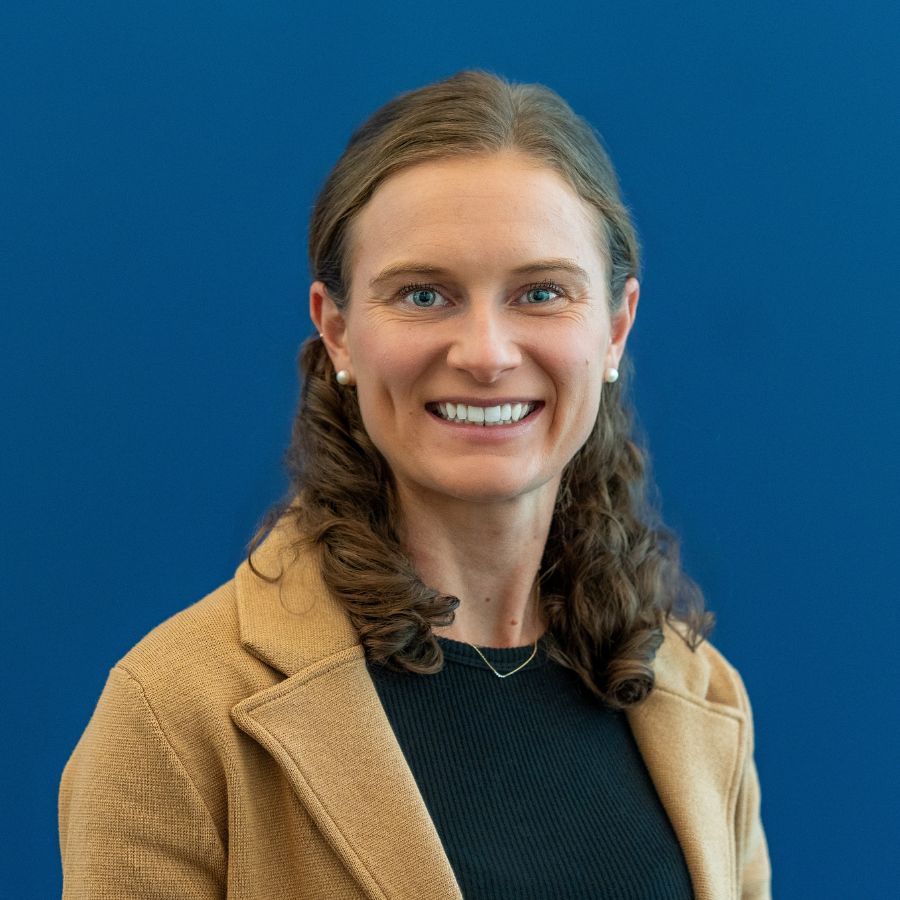
Rachel French PhD, MSHP, RN
Penn Nursing
Dr. French is an assistant professor in the Department of Family and Community Health at Penn Nursing. With a background as a registered nurse in a Federally Qualified Health Center providing opioid use disorder treatment, Dr. French witnessed firsthand how community-based care for opioid use disorder is often disrupted when patients are hospitalized. This experience has shaped her research, which focuses on improving care and outcomes for people with opioid and other substance use disorders. While hospitals have made progress in offering evidence-based medications like buprenorphine and methadone to patients with opioid use disorder, they continue to struggle with effectively engaging patients who are not interested in treatment. Dr. French’s current work is focused on optimizing treatment for hospitalized patients with substance use disorders, emphasizing the integration of harm reduction strategies and the implementation of evidence-based interventions.
During the C-DIAS Fellowship, Dr. French seeks to expand her understanding of rigorous methods in implementation science to improve public access to a high quality of addiction treatment. Specifically, she seeks training about leading effectiveness-implementation hybrid trials, which she hopes to do with a harm reduction conversation guide and implementation strategy bundle that she is developing.
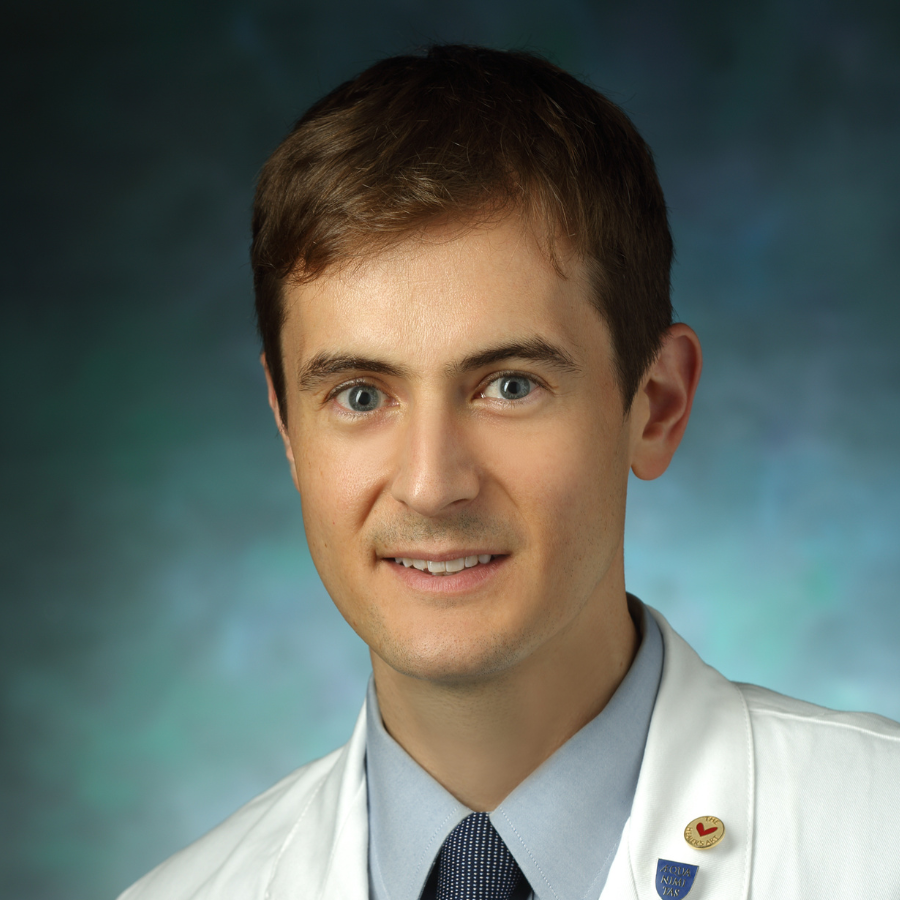
Will Garneau MD, MPH
Johns Hopkins Medicine
Dr. Garneau is an assistant professor of medicine and hospitalist at Johns Hopkins Hospital. His work is focused on improving care for hospitalized patients with substance use disorders, particularly managing opioid dependence and prompt treatment of withdrawal to reduce patient-directed discharges. He received an NIH KL2 mentored career development award in 2023 and uses real-world data to investigate how timing and dosage of medications influence outcomes. As a junior investigator, he is committed to a career to translation of data science to interventions to improve patient care in the setting of a drug supply characterized by highly potent synthetic opioids. He seeks to develop expertise in implementation science, qualitative methods, and clinical trial design via the C-DIAS Fellowship. His long-term goal is to develop robust evidence-based inpatient substance use treatment strategies using existing data science infrastructure to address the urgent need for improved care amid the opioid epidemic.
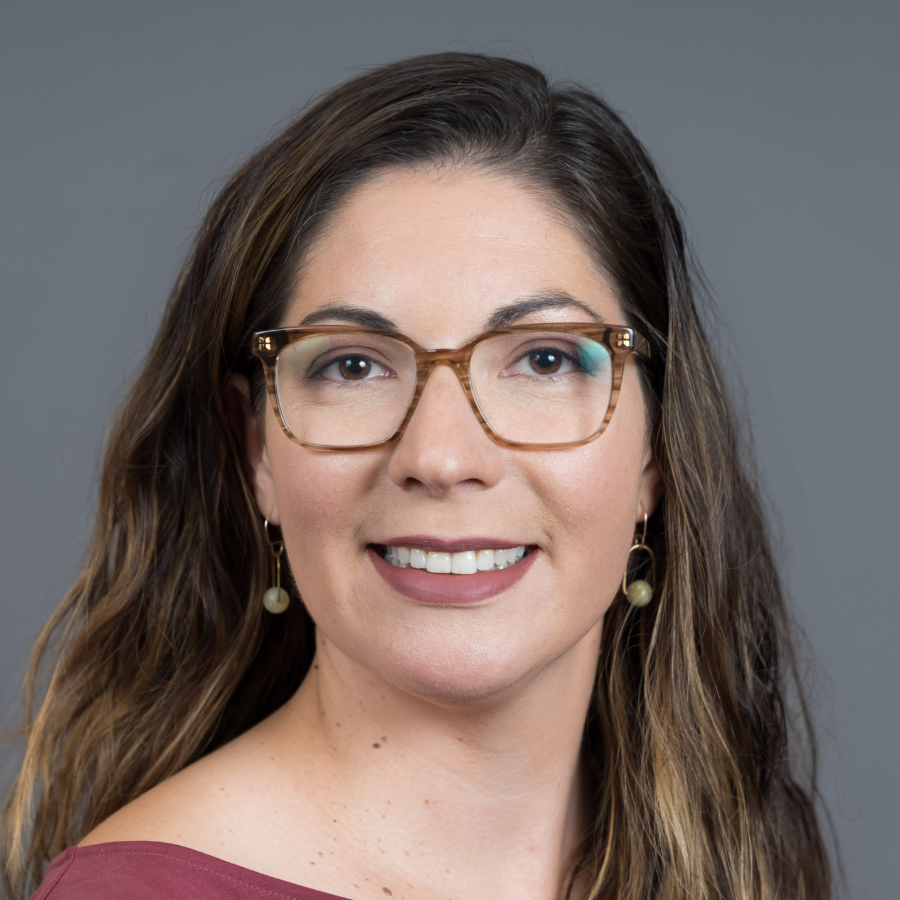
Ximena Levander MD, MCR
Oregon Health & Science University
Dr. Levander (She/Her/Ella) is an assistant professor of medicine and an addiction medicine clinician researcher at Oregon Health & Science University (OHSU) in Portland, Oregon. She is inspired by her clinical work in both inpatient and outpatient settings to improve care for and reduce harms related to substance use amongst women who use drugs, particularly those with perinatal substance use. Dr. Levander completed residency in internal medicine/primary care at University of Washington. She worked for three years at OHSU as a clinical teaching hospitalist before pursuing additional training through OHSU and the Oregon Clinical Translational Research Institute with a three-year addiction medicine and Samuel Wise clinical research fellowship receiving a Masters in Clinical Research (MCR). During fellowship, she also participated in the NIDA-funded Research in Addiction Medicine Scholars (RAMS) program. Dr. Levander is currently working on a NIDA-funded K12 project focused on improving substance use disorder treatment and postpartum care outcomes amongst patients with perinatal substance use through use of peers trained as doulas. Dr. Levander applied to the C-DIAS Fellowship to further her knowledge of implementation strategies to improve access to evidence-based care for patients with perinatal substance use and to expand on community-engaged research methods in implementation to enhance dissemination and sustainability of research findings.
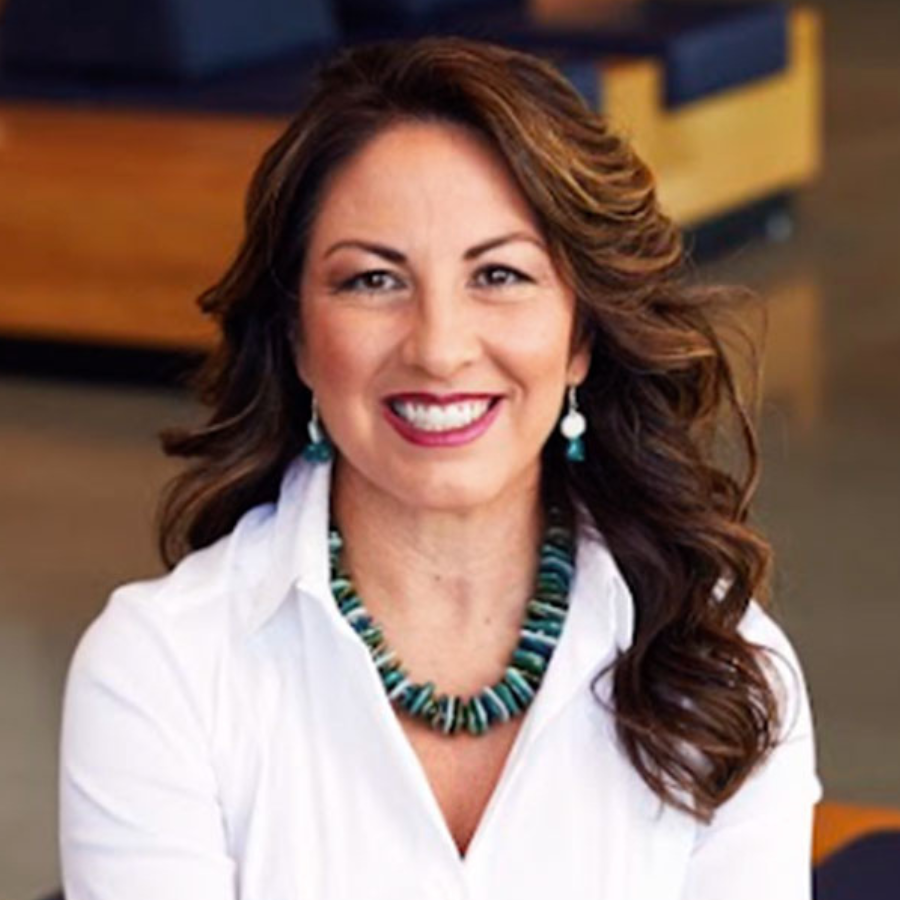
Natasha Ludwig-Barron, PhD, MPH
University of California, San Francisco
Dr. Ludwig-Barron is a Chicana/Mexican-American epidemiologist and assistant professor at the University of California, San Francisco (UCSF), Department of Medicine, Division of Prevention Science. She brings more than 15 years of public health research and practice experience applying mixed methods and ecological approaches to understanding the co-occurring epidemics of HIV/AIDS, hepatitis C, substance use, and gender inequity, with the goal of improving the health and wellbeing of marginalized communities in the US, Mexico and Kenya. Dr. Ludwig-Barron earned her MPH at Emory University, PhD in Epidemiology at the University of Washington, and completed her post-doctoral training at UCSF. Since joining UCSF, Dr. Ludwig-Barron has conducted three community-based, harm reduction pilot studies along the Texas-Mexico Border and was awarded a K01 entitled Proyecto VIDA, which merges implementation science with phylogenetic analysis to address the co-occurring epidemics of HIV, hepatitis C, and opioid use among people who inject drugs in Ciudad Juárez, Mexico. As a C-DIAS Fellow, Dr. Ludwig-Barron will apply implementation science frameworks and methodologies to Latino communities in order to strengthen translational impact, scalability, and equity of substance use interventions. Broadly, her research aims to inform international, national and local substance use policies.
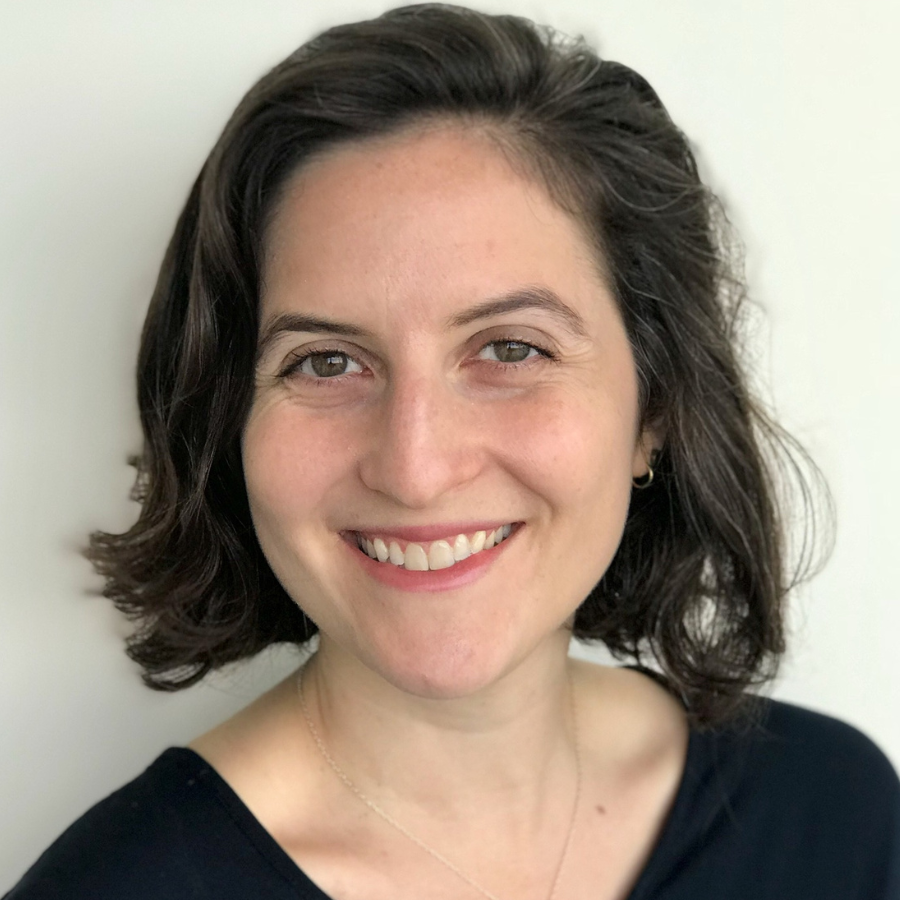
Sarah Messmer, MD
University of Illinois Chicago
Dr. Messmer is an assistant professor at the University of Illinois Chicago (UIC) and is board-certified in internal medicine, pediatrics, and addiction medicine. Dr. Messmer is the clinical lead of the UIC Community Outreach Intervention Projects (COIP) Mobile Medications for Opioid Use Disorder program, which provides low-barrier substance use treatment and primary care via mobile units in Chicago neighborhoods with high overdose rates. This clinical work has inspired Dr. Messmer’s path as a physician-scientist, focusing on implementation science to develop community-based programs that deliver evidence-based addiction treatment and meet people where they are.
In 2024, Dr. Messmer was awarded a HEAL Initiative Career Development Award (K23) in Implementation Science. Her K23 project aims to adapt and pilot contingency management within a mobile, low-barrier substance use treatment program, with the primary goal of improving treatment retention. As a C-DIAS Fellow, Dr. Messmer hopes to deepen her understanding of implementation science methods, explore the policy and financing impacts on the implementation and sustainment of contingency management, and collaborate with her cohort to improve access to evidence-based substance use treatment.
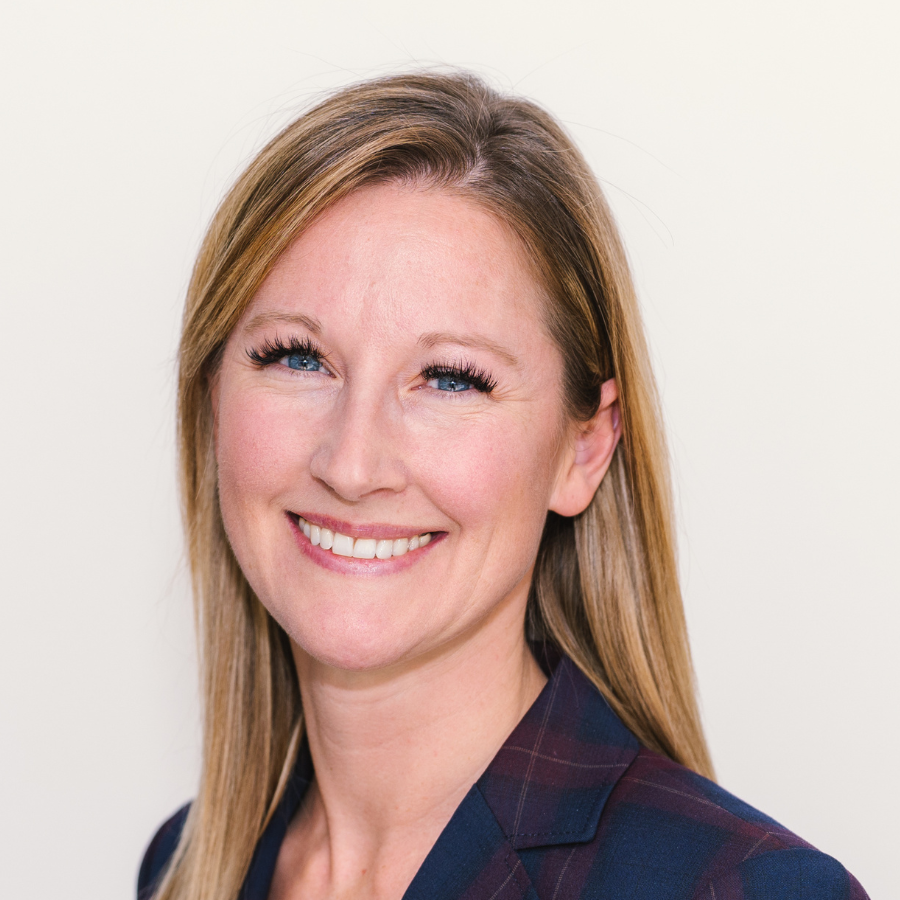
Crystal Smith, PhD
Washington State University
Dr. Smith is an assistant professor at Washington State University in the Elson S. Floyd College of Medicine department of Community and Behavioral Health and the Human Development Prevention Science program. For over a decade, she has been actively engaged with the Program for Excellence in Addictions Research, and she recently established the Laboratory for Innovations in Therapeutics, wherein her research focuses on substance use disorder (SUD) treatment optimization and precision medicine interventions.
Dr. Smith enters the C-DIAS Fellowship with an active NIDA K01 grant, Pharmacogenomic Testing to Optimize Opioid Use Disorder Treatment: Acceptability and Feasibility Trial. This K01 will allow Dr. Smith to establish a program of research in the ethical implementation of pharmacogenomic testing in SUD treatment. Through the fellowship, Dr. Smith plans to gain expertise in theory, design, sustainability, and rigorous application of dissemination and implementation science, so she can effectively translate precision medicine into clinical care for SUD, using strategies that are both effective and scalable. She will develop a study focused on the implementation of pharmacogenomic testing into routine MOUD clinical care using a hybrid type 1 effectiveness-implementation design, the Consolidated Framework for Implementation Science, and consistent engagement with key stakeholders.

Enya Vroom, PhD, MS
The University of Texas at San Antonio
Dr. Vroom is an assistant professor in the Department of Medicine at The University of Texas at San Antonio. She is also a Core Scholar at the Center for Research to Advance Community Health and faculty at the Be Well Institute for Substance Use & Related Disorders. Dr. Vroom earned a PhD in Behavioral and Community Sciences from the University of South Florida and completed an National Institutes of Health (NIH) National Institute on Drug Abuse (NIDA) T32 Postdoctoral Fellowship at the University of Florida’s Substance Abuse Training Center in Public Health. Her research leverages qualitative and mixed-methods designs to identify barriers, facilitators, and strategies for the adoption, implementation, and sustainability of substance use prevention, treatment, and recovery efforts. Grounded in a commitment to theory-driven and community-engaged approaches, her work amplifies stakeholder perspectives to inform real-world solutions. As a C-DIAS Fellow, Dr. Vroom aims to develop a competitive NIH-funded research portfolio that utilizes innovative implementation science approaches to understand and improve access to substance use and recovery services nationwide.