Publications
Effectiveness of Mutual Health Groups for Illicit Drug Use Disorders: A Review of the Current Literature
Purpose of Review: Evaluate literature examining whether mutual help groups (MHGs) for illicit drug use disorders benefit participants. Recent Findings: Recent studies consistently show that MHG attendance and involvement predict reductions in drug use and addiction severity. More rigorous methodologies offer stronger evidence of effectiveness, but additional controlled trials are needed. Drug-focused MHG challenges include…
Read MoreUS Payment Policy for Medications to Treat Opioid Use Disorder: Landscape and Opportunities

Offering patients medications for opioid use disorder (MOUD) is the standard of care for opioid use disorder (OUD), but an estimated 75%–90% of people with OUD who could benefit from MOUD do not receive medication. Payment policy, defined as public and private payers’ approaches to covering and reimbursing providers for MOUD, is 1 contributor to…
Read MoreModel-Driven Decision Support: A Community-Based Meta-Implementation Strategy to Predict Population Impact.
Purpose: Standard tools for public health decision making such as data dashboards, trial repositories, and intervention briefs may be necessary but insufficient for guiding community leaders in optimizing local public health strategy. Predictive modeling decision support tools may be the missing link that allows community level decision makers to confidently direct funding and other resources…
Read MoreOverdose Deaths Before and During the COVID-19 Pandemic in a US County
Globally, overdose deaths increased near the beginning of the COVID-19 pandemic, which created availability and access barriers to addiction and social services. Especially in times of a crisis like a pandemic, local exposures, service availability and access, and system responses have major influence on people who use drugs. For policy makers to be effective, an…
Read MoreContingency Management Needs Implementation Science

The gap between the evidence for contingency management (CM) and patients’ ability to access it is so dire that, in Fall of 2021, the New York Times ran an article titled, ‘This addiction treatment works. Why is it so underused?’ The article elucidated the myriad of barriers that limit widespread access to CM in the…
Read MoreEffective, but Underused: Lessons Learned Implementing Contingency Management in real-world Practice settings in the United States
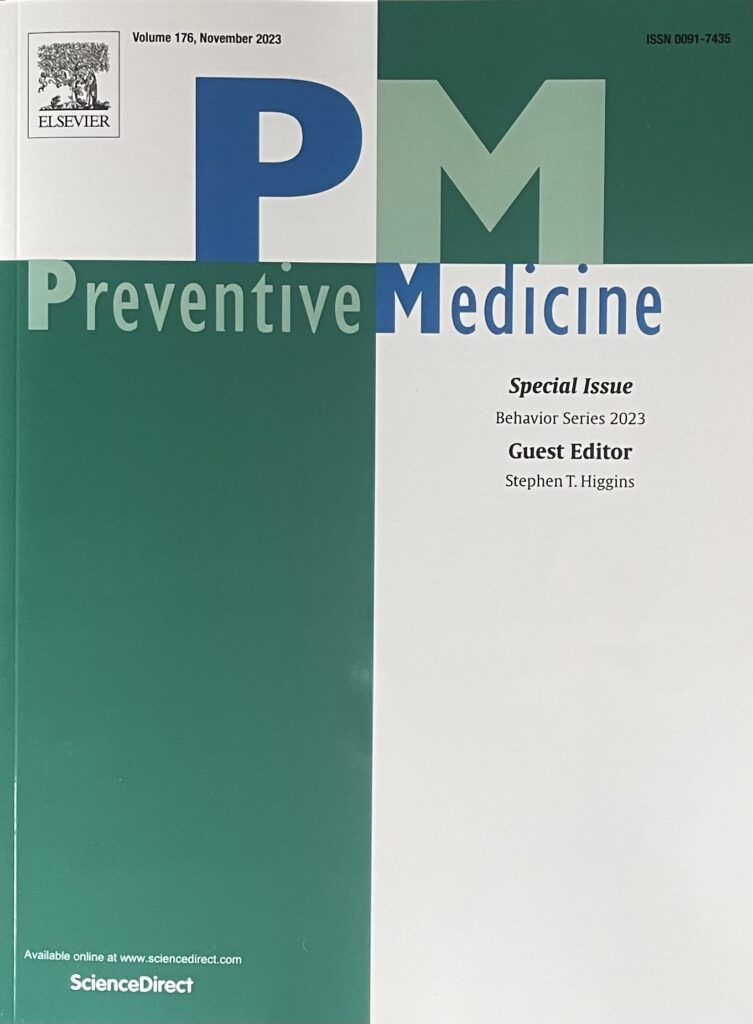
Despite being one of the most effective adjunctive behavioral interventions in combination with medication for opioid use disorder, contingency management (CM) is one of the least available interventions in opioid treatment programs. This paradoxical state of affairs is perhaps the greatest example of the research-to-practice gap in the behavioral health field. Implementation science, a discipline…
Read MoreImplementing Contingency Management for Stimulant Use in Opioid Treatment Programs: Protocol of a Type III Hybrid Effectiveness-stepped-wedge Trial

Contingency management (CM) is an evidence-based intervention for stimulant use and is highly effective in combination with medication for opioid use disorder. Yet, uptake of CM in opioid treatment programs that provide medication for opioid use disorder remains low. This paradox in which CM is one of the most effective interventions, yet one of the…
Read More